Castel Nuovo History – Angevin to Aragonese Timeline
Understand Castel Nuovo’s layered past, from its Angevin foundation to the Aragonese makeover crowned by the Triumphal Arch.
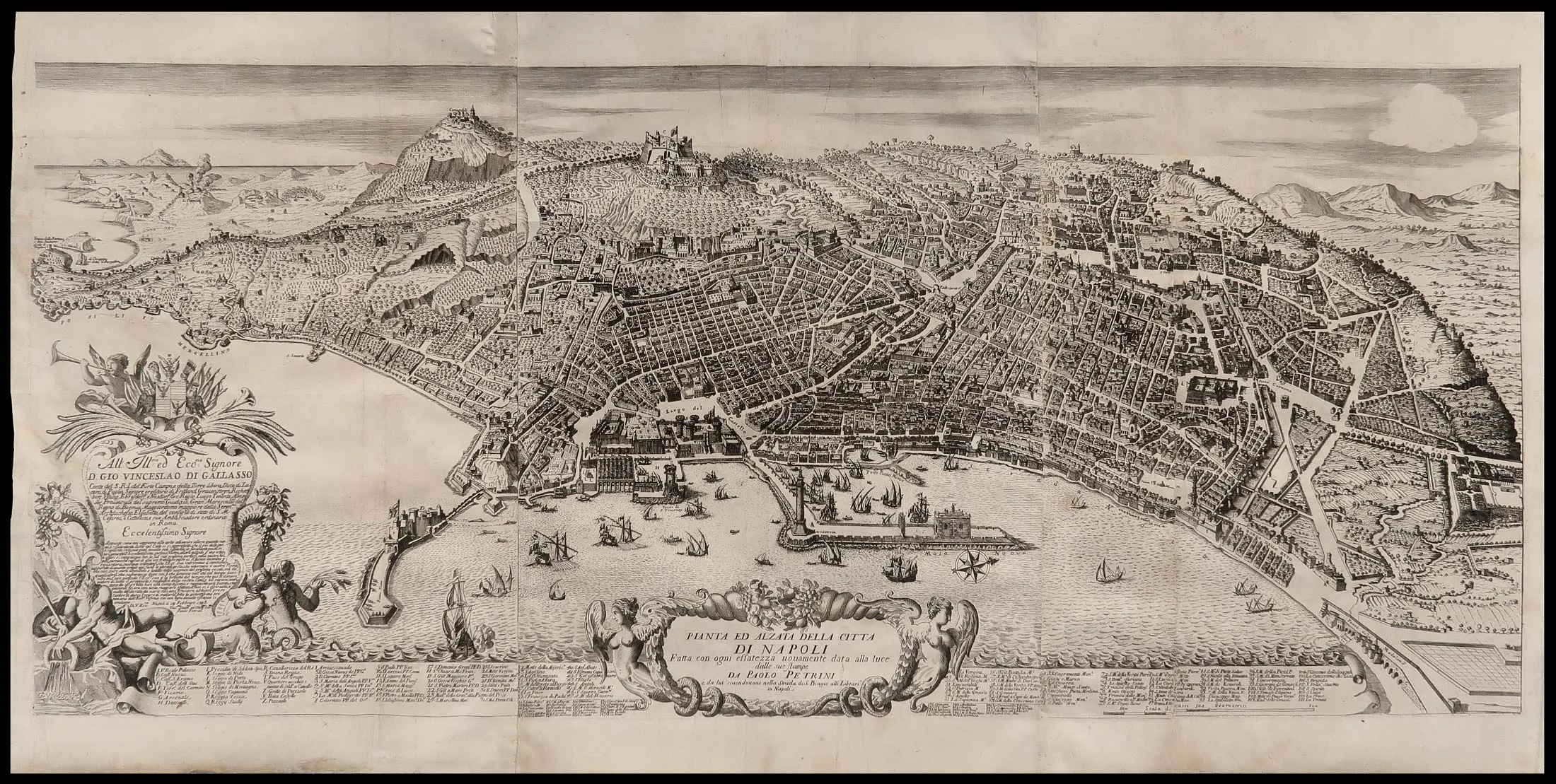
A fortress is a calendar in stone — each campaign leaves a date you can learn to read.
Table of Contents
- Quick timeline
- Angevin foundations
- Aragonese reframing and the Triumphal Arch
- Viceroys and administration
- Modern era and public memory
- How to read the evidence on site
- Glossary and further reading
Quick Timeline
| Period | Rulers | What Changed |
|---|---|---|
| Angevin (late medieval) | House of Anjou | Foundational fortress, strategic royal seat |
| Aragonese (15th century) | Alfonso V of Aragon | Triumphal Arch, defensive reshaping, prestige works |
| Spanish Viceroys | Habsburg Spain | Administrative uses, adaptations |
| Modern Era | Italian state and city | Museo Civico, conservation, public access |
Dates can vary by source; treat them as guideposts rather than absolute.
Angevin Foundations
- Strategic placement near the harbor positioned the castle at the hinge of sea and city.
- Early phases emphasized defense and royal presence over spectacle.
What to look for
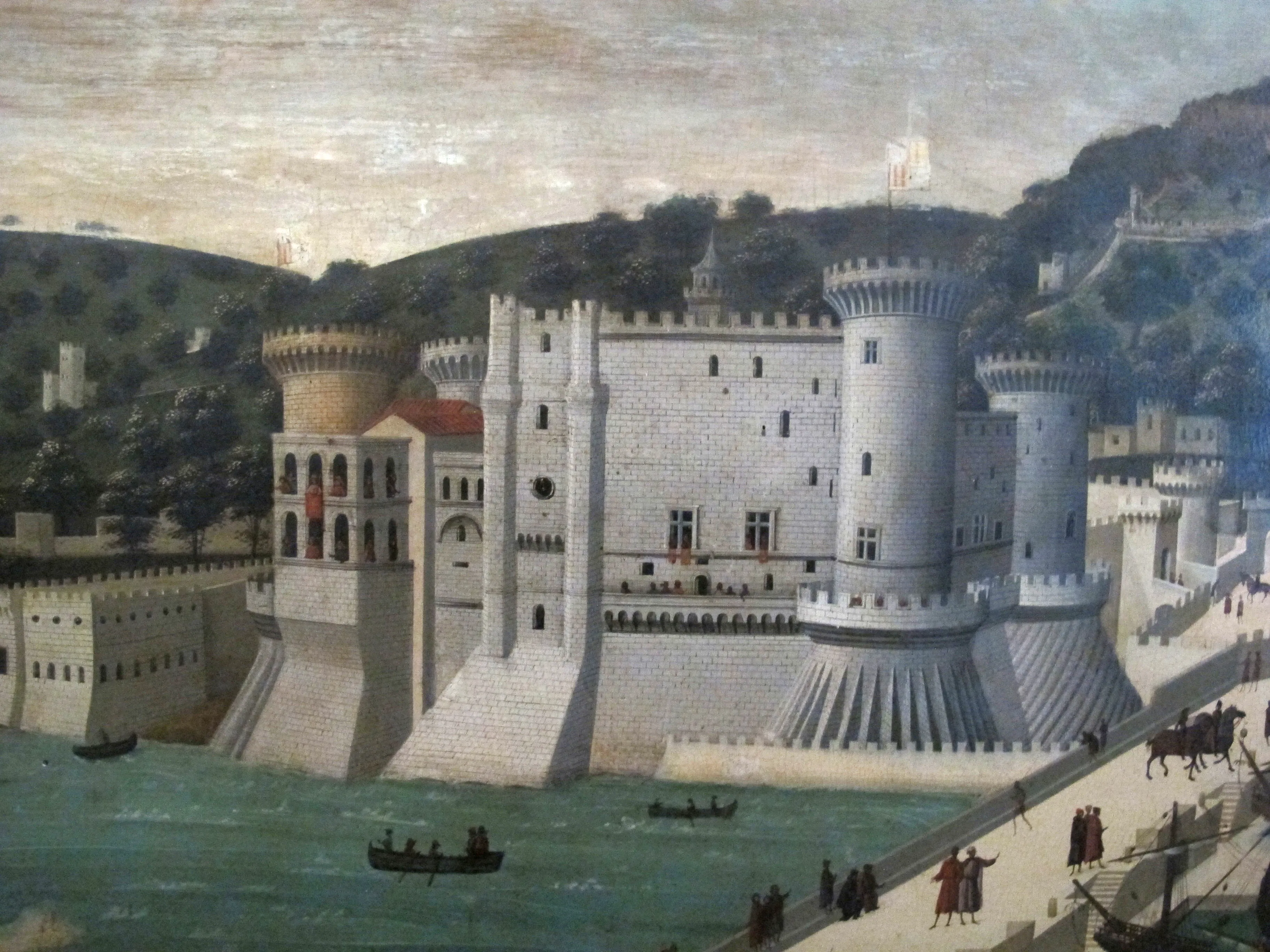
- Massing of towers and curtain walls.
- Functional circulation that compresses and releases space.
Aragonese Reframing and the Triumphal Arch
The arch celebrates Alfonso V’s entry into Naples, wrapping the medieval core in classicizing language. Think of it as a marble manifesto.
- Processions and virtues carve a narrative of legitimacy.
- Relief depth catches raking light — arrive in morning or late afternoon to read details.
- The facade sets a new tone: a learned power speaking through antiquity.
Viceroys and Administration
- The castle’s roles adapt: administration, ceremony, and storage shape internal uses.
- Layers of small interventions leave practical traces rather than grand gestures.
Modern Era and Public Memory
- Museum functions and conservation turn the fortress into a civic classroom.
- Rotating access and restoration remind us that preservation is an active verb.
How to Read the Evidence On Site
- Walk the perimeter and note tower overlaps — defense in plan.
- Read the arch from far, then close — power in marble.
- In the chapel and hall, feel how volume guides behavior — space as script.
Bring a small notebook; sketch arrows for movement and circles for focus points.
Glossary and Further Reading
- Triumphal Arch: a celebratory form borrowed from Roman models to state authority.
- Embrasure: an opening splayed to allow defensive fire with cover.
- Rib vault: intersecting arches that carry weight and shape acoustics.
Reading ideas
- Museum labels on site
- City guides focused on medieval to Renaissance Naples
Image Highlights
Bottom Line
Castel Nuovo’s identity is a palimpsest: Angevin bones, Aragonese face, and a city’s changing needs inscribed over centuries.
About the Author

History Editor
I built this to help you explore smarter—clear routes, better timing, and context that makes a fortress feel alive with ceremony and craft.
Tags
Comments (0)
Loading comments...